A Thanksgiving without a turkey: Texas food banks struggle to meet demand ahead of the holidays

This article first appeared on The Texas Tribune.  The Texas Tribune is a nonprofit, nonpartisan media organization that informs Texans — and engages with them — about public policy, politics, government and statewide issues.
A Thanksgiving without a turkey: Texas food banks struggle to meet demand ahead of the holidays
Turkey, ham, cranberry sauce and dressing are all staples for the dinner table during the holidays, but this year, millions of Texas families who rely on food banks will find their tables empty of traditional festive foods.
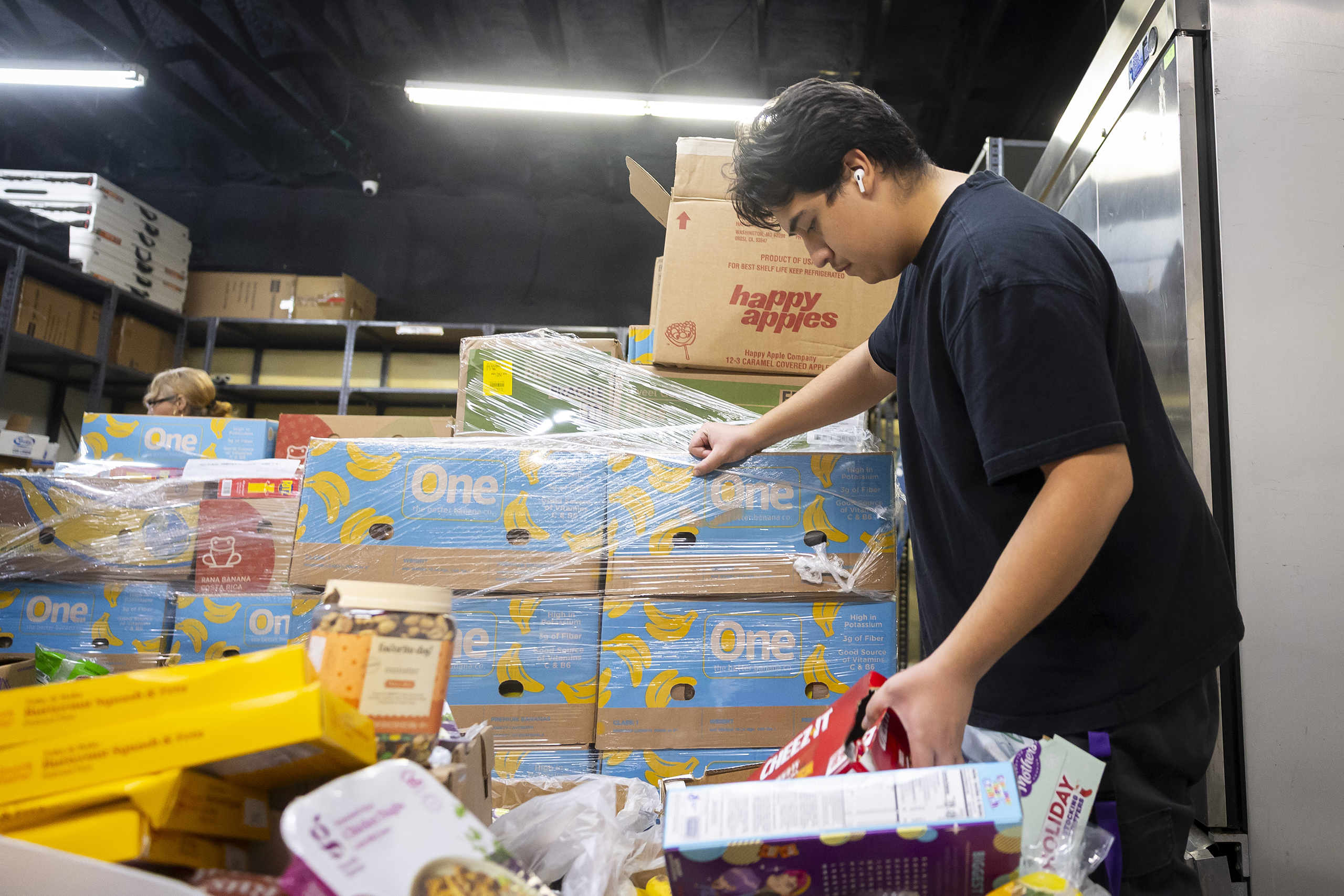
Texas food banks face the highest demand they've seen since the 2020 pandemic, but high food prices, a dearth of federal funding and fewer donations have crippled their ability to provide much-needed nourishment to struggling families.
“This is the first year we bought zero turkeys. They’re just too expensive,” said Brian Greene, president and CEO of the Houston Food Bank.
From February to June 2026, calls seeking food assistance from the Texas Health and Human Service’s 211 assistance hotline increased 28%, while referrals to food banks and food pantries rose nearly 37%, from 4,230 to 5,785 referrals, according to data from United Ways of Texas.
“Part of the phenomenon we are seeing is that the pantries are having to spread the peanut butter thinner, leaving families to see who else can help them,” Greene said. “We have seen a 20% increase in requests for food assistance and a 10 increase in people being served in our network of charities in the Houston area.”
Texas’ safety net for food insecurity includes federal nutrition assistance programs such as the Supplemental Nutrition Assistance Program, as well as food banks and school programs.
A food bank is defined as a regional nonprofit that sources, stores and distributes food to local programs in the communities it serves, including pantries, school programs and more, making it the backbone of the hunger-relief system. Twenty food banks serve over 4 million Texans annually through a network of more than 4,000 partners.
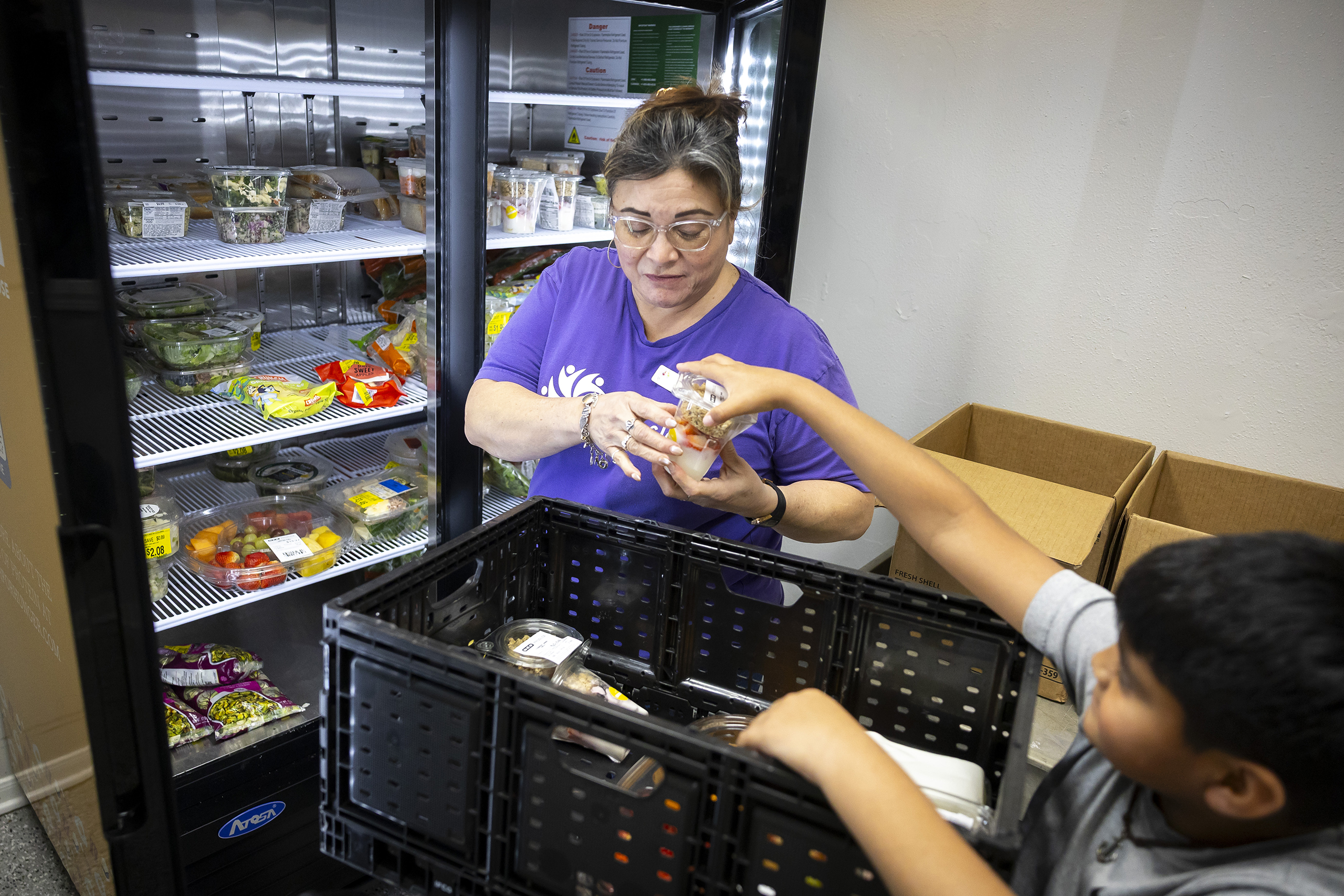
However, the food bank system is not meant to address all food insecurity in the state because most of its resources come from philanthropy, but that is exactly what is starting to happen as federal assistance declines.
Rural food banks, in particular, face a dire situation because of the large migration of families from urban areas into their regions. They can’t keep up with demand, much less afford the high prices for turkey, ham and other proteins.
The High Plains Food Bank is having its worst food crisis in its 40-year history, said Zack Wilson, executive director of the High Plains Food Bank, which primarily serves rural families.
“We are serving over 14,000 households for a month now, which on average is, is a record number of households. We are serving the most we’ve ever served, but with probably the least amount of inventory,” Wilson said. “We bought some turkeys early, but they went fast. Once the inventory is gone, it’s gone.”
The holiday season puts extra strain on low-income families since children don't receive their free and reduced lunch at school when their schools are closed, leaving parents to turn to food banks and pantries for help. However, the number of food-insecure families is growing much faster than the available food supply, leading to rationing or changes to holiday meals when demand is highest.
Food insecurity is defined as when a household lacks money or resources to reliably access adequate food. Earlier this year, Feeding America, the national network of food banks, released its 2026 Map the Meal Gap study, which uses 2024 data. The study found that 19.4% of Texans, or nearly 1 in 5, are experiencing food insecurity, and 1 in 4 Texas children are experiencing food insecurity, representing 26%, or nearly 2 million children.
“I was talking to a donor who told us she had a family member who had a good job, a good wage, and yet couldn’t provide for his family at times due to the increasing cost of insurance and fuel,” Wilson said.
For many years, food banks, specifically rural ones, relied on the federal government to complement their donor base with additional funding and food commodities, but over the past two years that has dwindled, and the lack of support is now catching up at a time when need is at its highest.
“People are struggling to put groceries on the table, gas in the car, pay their rent, and a lot of people are losing access to SNAP benefits. That means more people in our lines, our partners wanting more food from us, and at the same time federal commodities have gone down, and it’s costing us more money to get food in and out of the door,” Celia Cole, the CEO of Feeding Texas, a statewide network of food banks, said. “It’s just not a great place to be going into the holiday season.”
Dwindling supply, growing demand
The High Plains Food Bank has served families in the Texas Panhandle for decades and has seen several crises, including the COVID-19 pandemic and 2010s recession. What makes this year uniquely disastrous is that past crises brought a surge of emergency help, whether federal, state government or large donations, but this one comes when all measures of assistance are shrinking.
“It’s just been a decrease in all of our food channels, from donated foods to delays and cancellations of USDA deliveries, and a decrease in monetary donations in order to purchase food,” said Wilson. “It has been a unique situation for us, with all of those channels showing a decrease, really over the past nine to 10 months.”
The combination of issues has led to a shortage of nonperishable food items as demand for food assistance grows in its region, Wilson said.
“The driving factors here are inflation and rising costs of everything with food and fuel being the top drivers. Our fuel bill alone is up 220% this month compared to January so everybody is feeling it,” Wilson said. “Bundle that with utilities when we had one of the hottest summers we’ve ever had in the Texas Panhandle and the past two years we’ve had natural disasters from fires to flooding to tornadoes and it has been a rough stretch for everyone and making it harder and harder to survive these days.”
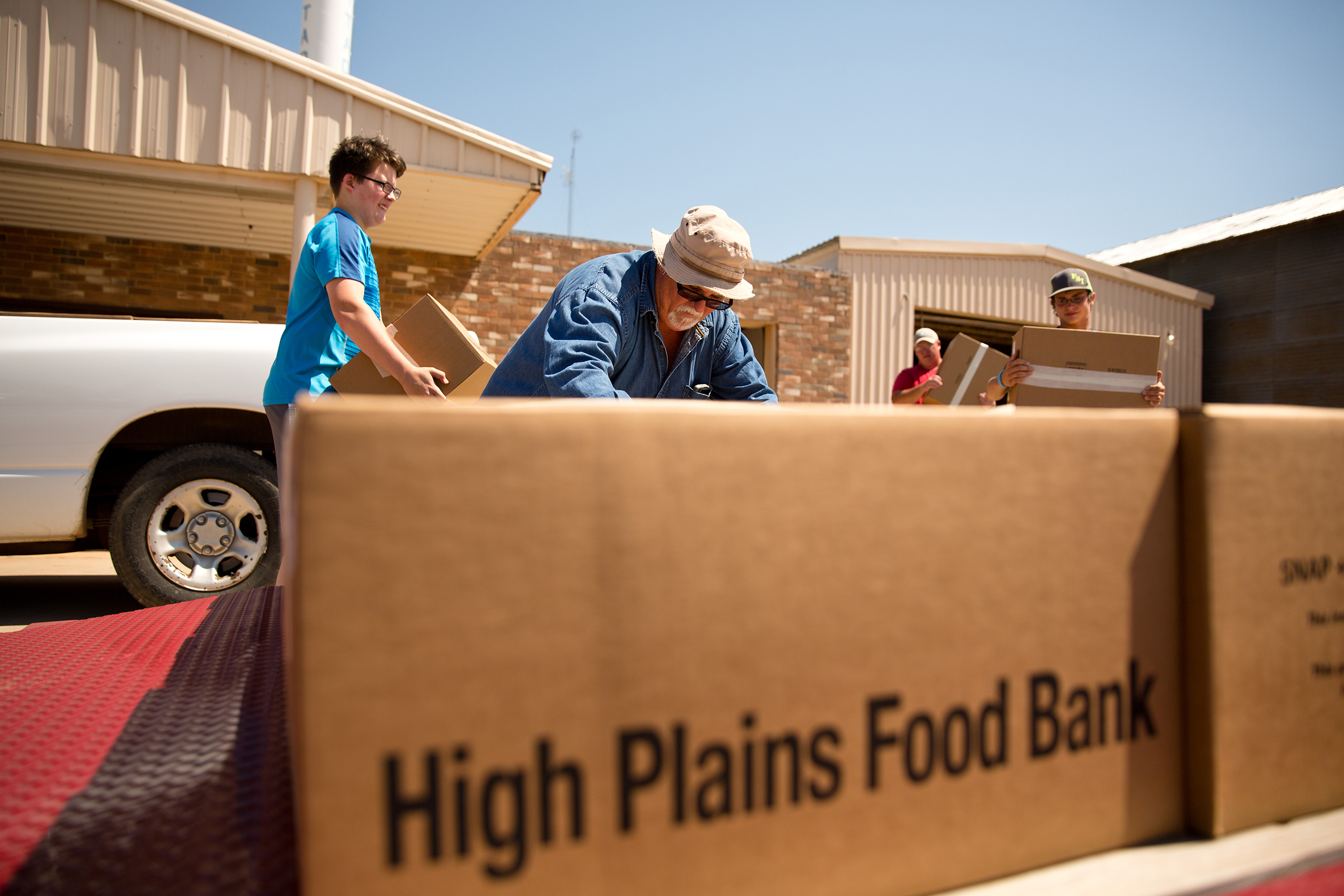
What is happening at the High Plains Food Bank is one example of the mounting pressure food banks face as demand for food increases each month.
“The worst-hit regions are in the Panhandle, Lipscomb, Hemphill, and Sherman counties, as well as parts of West and North Texas, but this is a problem statewide,” Greene said. “It’s scary.”
Sari Vatske, president and CEO of Central Texas Food Bank said urban-to-rural migration in Texas is putting particular pressure on rural food banks because they are often the nearest food source for families.
“The need has increased since the beginning of the year as the holidays are upon us and the cost of living remains high,” she said.
In terms of sheer numbers, urban regions are no better, as the overall demand is putting pressure on the entire food insecurity system in Texas.
Increasing demand for food this holiday season comes as funding and supply for food banks are at their lowest.
In 2025, the U.S. Department of Agriculture canceled two programs that supplied $1 billion in products directly to food bank warehouses. The USDA justified the decision, saying former Joe Biden’s administration had created “unsustainable” expectations by spending beyond standard levels.
The drop in federal commodities has been drastic for Texas food banks with many in the network losing millions of dollars in funding or food over the span of a year, leading to fewer meals being given out per family.
“Our USDA program right now makes up about 18% of our total food inventory. It was as high as about 25% back in 2024, but our biggest issue has been some of the cancellations or delays we have seen this year from them,” Wilson said.
Local food pantries in schools and neighborhoods, especially in rural areas, are also getting overwhelmed by the number of food-insecure families, putting pressure on larger food banks to assist.
The Map the Meal Gap study reveals that a significant portion of individuals experiencing food insecurity may not qualify for federal nutrition assistance programs, such as SNAP. Families not eligible for federal assistance must rely on local food banks and community meal programs to get by, placing a heavy burden on an already strained system.
State data show that in October, nearly 733,000 fewer eligible Texans participated in SNAP than in September 2025 because of work requirements and immigration fears. However, food advocates say every one of those households still needs to eat, and much of that is landing on food banks.
Greene said SNAP work requirements are pushing many rural families off the system because jobs may not be readily available, forcing under-resourced remote food banks to meet growing demand.
Texas food banks currently distribute more than 700 million pounds of food annually through a network of more than 5,000 community partners. Yet for every meal food banks provide, SNAP provides nine.
“We’re struggling to make up for that,” Cole said.
High grocery prices are also preventing generous donations to food banks, especially in a time of economic uncertainty.
Greene said much of the Houston Food Bank’s food supply comes from private donations and food-industry surplus, often produce from farmers. He said food banks still have to pay to transport food donated by farmers, which can cost about $16,000 to rent a tractor-trailer, plus additional money for gas at a time when it’s getting more expensive.
Rising food prices, decreased federal spending, and a growing number of food-insecure families mean this holiday season might look different for many Texans, but food advocates say hope is on the horizon if new federal and state lawmakers decide to listen.
“Our requests for the state remain the same, with a bit more optimism for support,” said Vatske.
Hope for the future
The impact of the waning federal support when it comes to addressing food insecurity has been felt all over the county and advocates are hoping that, with new leadership, this might be reversed.
“It’s time for the federal government to step up,” Greene said.
Cole said many of the candidates who won on Election Night earlier this month platformed on affordability and one of the main things the federal government can do to address this is stop the nationwide decline in SNAP enrollment.
“Hunger is a problem we can’t afford to ignore, but we can afford to solve,” she said.
Reversing the cuts to federal commodities is also an option federal lawmakers can consider, because they've had one of the most significant impacts on food banks this year.
“It’s very frustrating because I just saw recent polling that showed that a strong majority of Americans think that the federal government should be helping food banks more, not less,” he said.
At the state level, a new crop of lawmakers are gathering again next year for the 90th legislative session providing hope that relief might be on the way if bills are passed to address food insecurity.
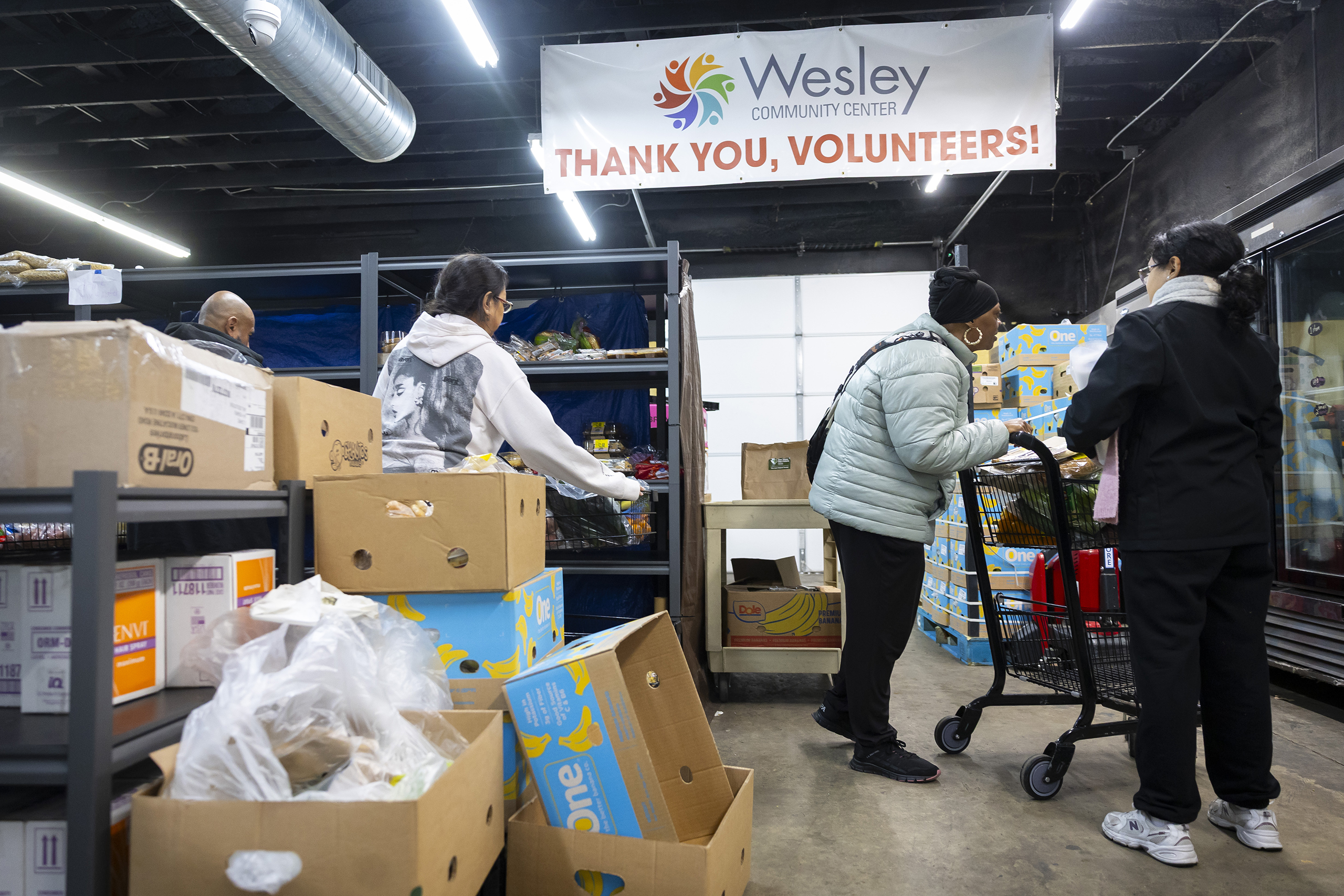
“The state House and Senate are now controlled by different parties, so we are reminded that collaboration and bipartisan legislation are impactful approaches to good legislation. Hunger is a nonpartisan issue and requires both sides of the aisle working together,” Vatske said.
One of food advocates' main priorities next year is addressing growing issues with SNAP.
Texas faces a potential $826 million financial hit by 2027 from federal penalties and administrative cost shifts due to SNAP payment errors, fueling fears that the state is scrutinizing each application to help bring down that error rate, leading to even fewer participants in the program who might need it.
A SNAP error rate does not reflect people fraudulently obtaining benefits. Instead, it’s based on unintentional mistakes by the agency or SNAP clients that result in underpayments or overpayments.
States were given very little time to improve payment accuracy and most mistakes are processing errors, not fraud, but thousands are still being removed anyway.
Many food banks across the nation are asking Congress to give states a two-year extension to meet the new accuracy standards, but if that doesn’t happen, advocates hope Texas lawmakers will fully fund SNAP next year despite rising costs, because removing more families puts more pressure on food banks.
“Food banks are already strained and cannot continue to absorb government funding cuts while operating costs continue to rise and more people are in need of assistance,” Vatske said.
Other options include a Summer EBT program that would allow children on the free or reduced-price lunch program to eat outside the school year, relieving some of the pressure on food banks. Medicaid expansion is also a solution some food advocates are hoping the crop of new lawmakers will discuss next year.
“We are one of the few states that have not embraced Medicaid expansion, and we have the highest rates of uninsured people,” Greene said. “That is a major cause of food insecurity in the state.”
Lastly, food banks are requesting increased funding for the Surplus Agricultural Products Grant Program, managed by the Texas Department of Agriculture, which helps food banks and charitable networks collect and distribute surplus farm goods to low-income residents.
“It’s one of the greatest tools we have; it’s how we get the money to pay the farmer to pick and bag the surplus produce and the transportation costs to bring it in,” Greene said.
Without support from the federal and state governments, the food bank situation is expected to only get worse during next year’s holiday season.
“If the number of households that we’re serving continues to rise in the longer term, it’s not sustainable without help,” Wilson said.
This article first appeared on The Texas Tribune.
More News