Consumer Reports: Student loan delinquency and default
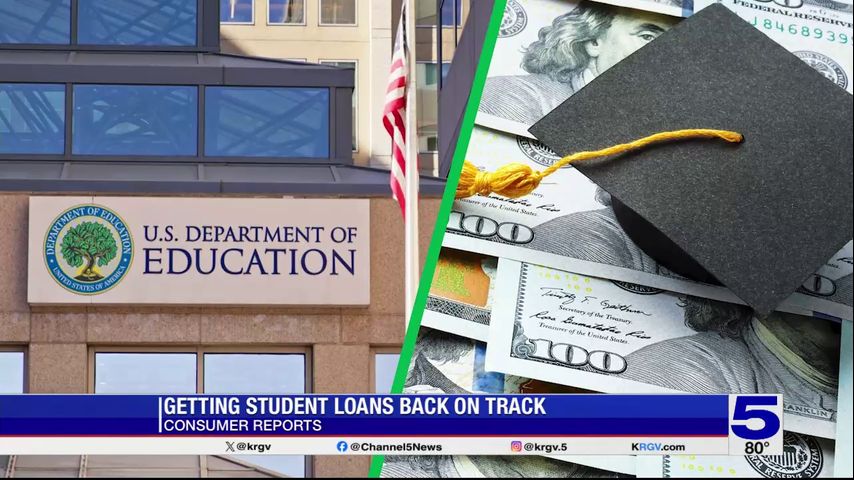
If you’re having trouble keeping up with student loan payments, you may have a little more breathing room to find a repayment plan that fits your budget before the Department of Education restarts collection actions. Consumer Reports explains how to use this time to get ahead before your paycheck or tax refund is affected.
The Department of Education was preparing to resume collections on defaulted federal student loans for the first time since 2020, which can include ordering employers to withhold up to 15 percent of a borrower’s disposable income to repay the defaulted loan.
For people already struggling to keep up with their student loan bills, that possibility created a lot of anxiety. Pablo Pratt owes more than one hundred and forty thousand dollars in student loans and says his family has cut a lot of expenses just to keep up. He says that, even with all the changes, he’s still not able to pay the student loan minimum requirement.
But for now, borrowers are getting some relief. The Department of Education is delaying involuntary collection actions while it rolls out major repayment reform. The move temporarily gives borrowers more time to understand their options and explore new repayment plans – before the government steps in and takes money from their paychecks.
Consumer Reports says, if you can’t make your monthly student loan payments, it’s critical that you contact your loan servicer now! That’s the company that manages your loans. They can walk you through your options, help you understand the programs you qualify for, and guide you toward a more manageable repayment plan.
If your loans are already in default, which can trigger wage garnishment, there are two main ways to get back on track. One option is loan rehabilitation. That means making a set number of monthly payments to bring your loan out of default. You can also choose loan consolidation. This combines your defaulted loans into one new loan that’s back in good standing, but it may cost more over time.
And remember, once a loan goes into default, it’s reported to credit agencies, which can hurt your credit. So, addressing the issue now can go a long way toward protecting your financial future.
The Department of Education says if you are contacted by a company asking you to pay "enrollment," "subscription," or "maintenance" fees to help you get out of default, you should walk away. Your loan service will help you for free.
More News