Texas ban on transgender care for minors has compromised treatment for others in El Paso
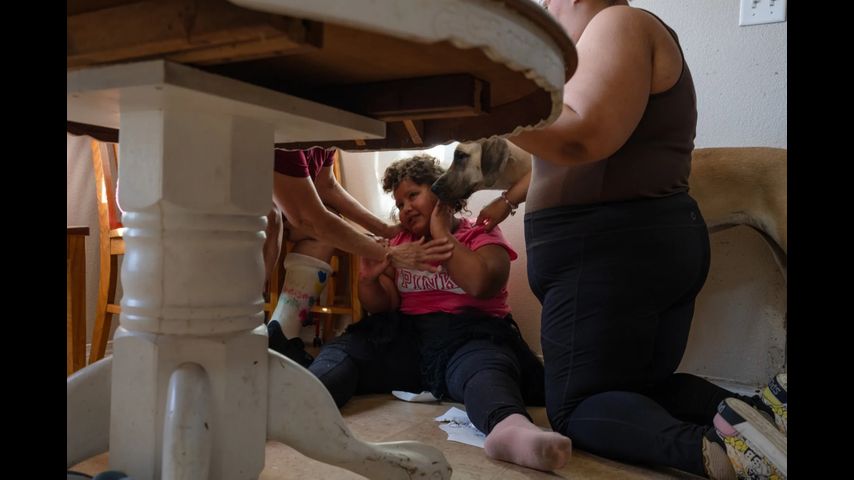
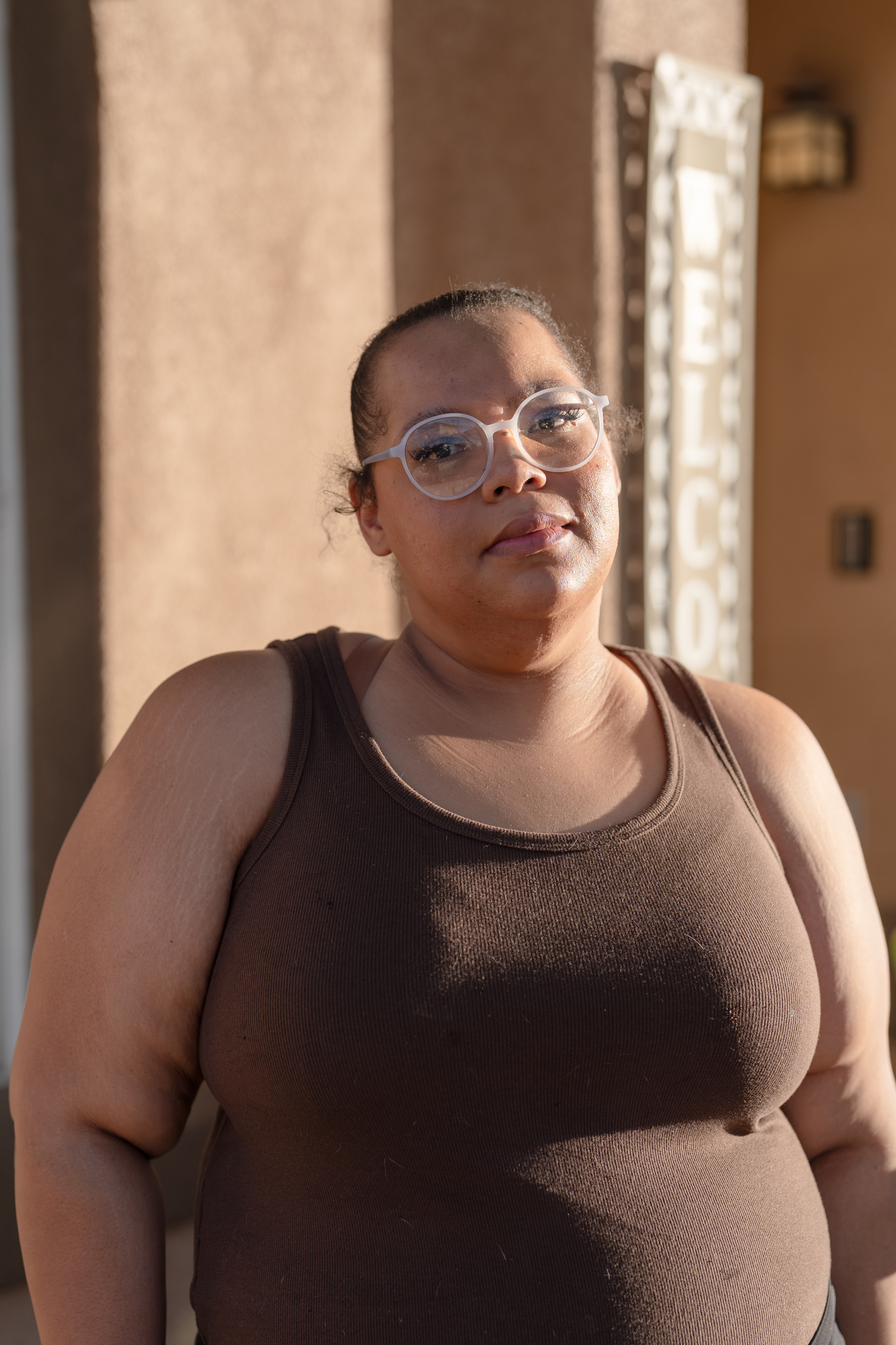
Gabrielle Jones-Radtke has lived in El Paso for nearly her entire life. She loves El Paso — its community, its culture, its recent growth — but her favorite factor is its predictability.
“If you’re young, you know, maybe that’s not the best thing,” Jones-Radtke said. “But once you get older and have a family, predictability is everything.”
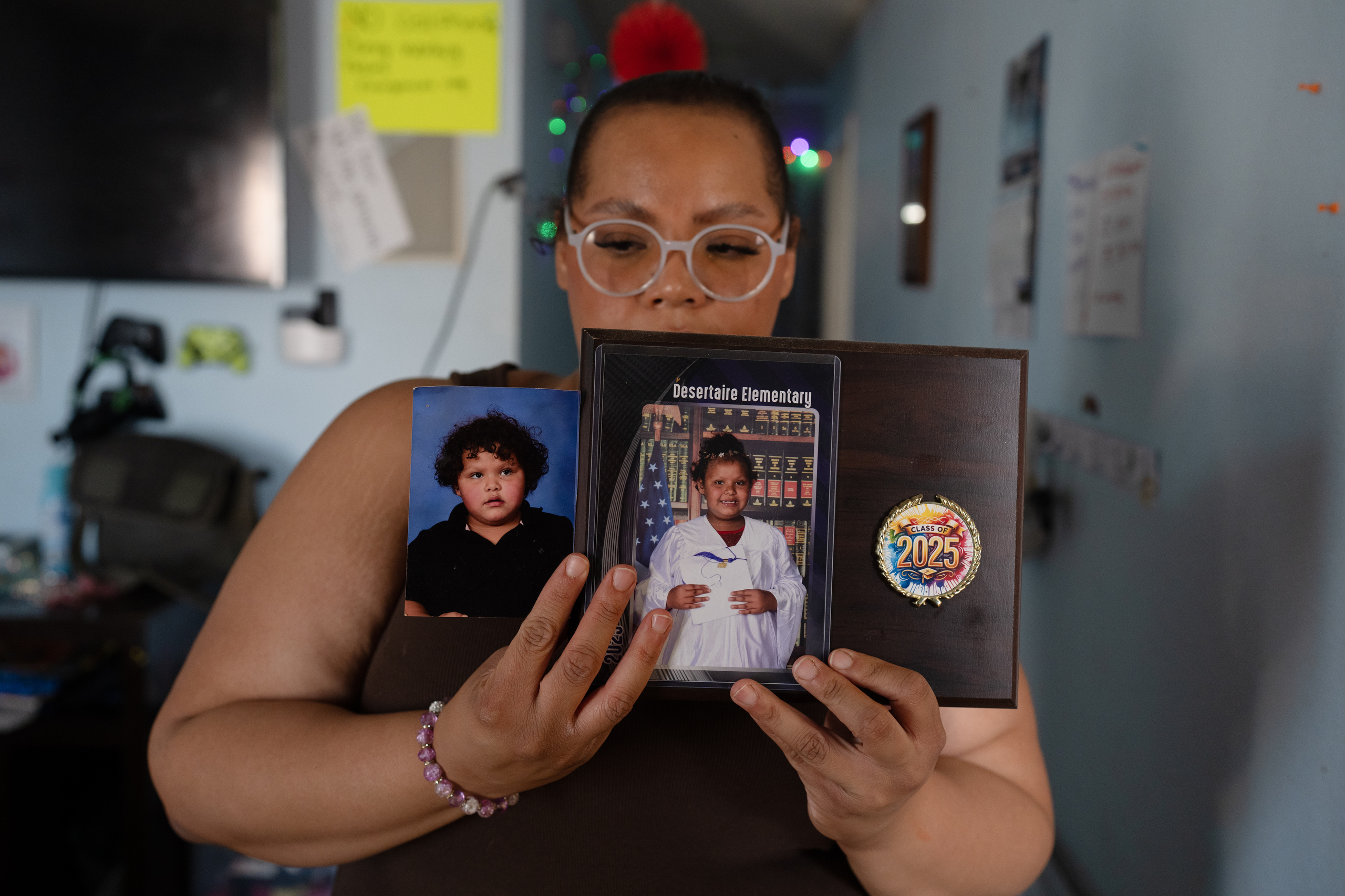
But a series of unpredictable circumstances is forcing her to move her family about 25 miles away to New Mexico. Her seven-year-old daughter, Freyja, has Bardet-Biedl syndrome (BBS) and requires puberty blockers to treat a complication associated with the syndrome. Her endocrinologist, Dr. Hector Granados, stopped providing puberty blockers, after Attorney General Ken Paxton accused him of providing transgender care to minors, allegations that were later dismissed. Because his practice is the only pediatric endocrinology office in El Paso and it’s hard to obtain an appointment, the Jones-Radtke family is planning to move across state lines with hopes of easier access to this treatment and more care options.
“I love Texas but right now, it doesn’t feel like they love us back,” Jones-Radtke said.
Senate Bill 14, passed in June 2023, prohibits doctors from providing gender-transitioning medical care — such as hormone therapy and surgeries — to individuals under 18. The bill allows hormone therapy for those who need treatment for reasons other than for transgender care, such as premature puberty. But Jones-Radtke says her child is being harmed anyway, faced with the confluence of the state’s health care shortage and legislation that has chilled doctors from providing care.
“When policies create confusion or discourage physicians from providing medically necessary hormone therapy, families ultimately bear the consequences,” said state Sen. César Blanco, a Democrat who represents El Paso. “In Texas, where we already face a physician shortage, any additional uncertainty in the medical community causes a chilling effect, making access to care more difficult.”
Supporters of SB 14 say the bill is necessary to protect children from the risks of transgender treatment. Doctors who deny hormone therapy for those who need it for medically diagnosed endocrine or genetic disorders are misunderstanding the law.
“If there's confusion, that's a matter of medical compliance interpretation by the doctor,” Jonathan Covey, director of policy at Texas Values, said. Sen. Donna Campbell, the New Braunfels Republican and physician who authored the bill, did not respond to a request for comment.
Although used in transgender treatment, hormone treatment is more typically administered to treat conditions such as premature puberty, endometriosis, hypogonadism and growth hormone deficiencies in minors.
BBS is a rare genetic disorder that affects a wide range of bodily functions. It can cause autism spectrum disorder, weight gain, hormone imbalances and vision loss. Across North America and Europe, BBS has a prevalence of about one in 140,000 to 160,000 newborns.
When Freyja was around one-year-old, the first complication with BBS Jones-Radtke noticed was her weight gain.
“She just could not stop gaining weight and she just never was not hungry,” Jones-Radtke said. “I was like, ‘what is going on with my kid?’”
Jones-Radtke said she started seeing Granados about a year ago when Freyja, six-years-old at the time, had started showing symptoms of premature puberty, including growing breast tissue and leg hair and developing body odor.
Because Granados was the only pediatric endocrinology practice in the city, it was always difficult to get an appointment. When she did, however, she always found him to be kind, patient and clear with his diagnosis and treatment, even with his heavy patient load.
“He’s basically the only [pediatric] endocrinologist we have from here to Dallas,” Jones-Radtke said. “I don’t know how this man is doing this and not mentally breaking down but he somehow is.”
Jones-Radtke said she hadn’t learned about Paxton’s lawsuit — and that she wouldn’t be able to get her daughter’s puberty blockers — until another parent informed her.
Jones-Radtke was eating at McDonald’s with her husband two months ago when another parent from Granados’ office approached and informed Jones-Radtke that she was moving to New Mexico because Granados couldn’t prescribe her daughter’s puberty blockers. Jones-Radtke then called the office, told them what she learned, and found out about the “weird gray area” that her family was in.
“When you have a child with special needs, gray areas are not your friend, because your entire life is a gray area,” Jones-Radtke said. “Having something I can rely on is extremely paramount to her care, and if her doctors are too scared to do their job, what the heck am I supposed to do?”
Paxton sued Granados in October 2024, accusing him of providing gender-affirming care to children.
Paxton placed Granados under an injunction in February 2025, preventing him from prescribing “puberty blockers and testosterone or estrogen” for the purposes of transitioning a minor’s biological sex or affirming their gender identity. He also said Granados couldn’t write prescriptions or bill anyone “under false diagnoses, such as precocious puberty,” effectively cutting off his patients’ access to puberty blockers.
Karen Lowey, attorney with Lambda Legal, a nonprofit legal organization specializing in LGBTQIA+ civil rights cases, said Paxton’s lawsuits are scaring some doctors into overcomplying with SB 14 and forcing them to stop certain treatments, even for patients who aren’t seeking to change their genders.
In addition to Granados, Paxton has sued three other doctors, all in the Dallas area, and Children’s Health System of Texas, headquartered in Dallas, accusing them of violating SB 14; one of the doctors, May Lau, has opted to move out of state to practice in Oregon. Paxton also recently stated in a legal opinion that SB 14 applies to mental health providers, meaning professionals such as therapists can’t offer gender-transitioning treatment or facilitate it.
“It is a hard time for doctors in this country right now, where the actual medical science and research are being thrown by the wayside and the care that they provide is being so politicized,” Lowey said. Paxton’s office did not respond to a request for comment for this story.
Even though Paxton dropped the lawsuit in September after his office didn’t find evidence of wrongdoing, it’s not clear if Granados has resumed prescribing puberty blockers. Radtke-Jones stopped seeing Granados months ago because of the long waits for appointments.
Granados, through his attorney Mark Bracken, declined to comment on Jones-Radtke’s case. Bracken, however, sympathizes on a personal level with the family’s journey because he is a type one diabetic and so is his daughter, who is also one of Granados’ patients. He, too, bemoans the long wait times at endocrinology offices, citing the shortage of specialists.
“I think the passage, as well as the enforcement of (SB 14), is likely making it harder to attract pediatric endocrinologists to the region,” Bracken said. “We’ve made a lot of headway and improvement… attracting more specialists and more doctors. But there’s a long way to go.”
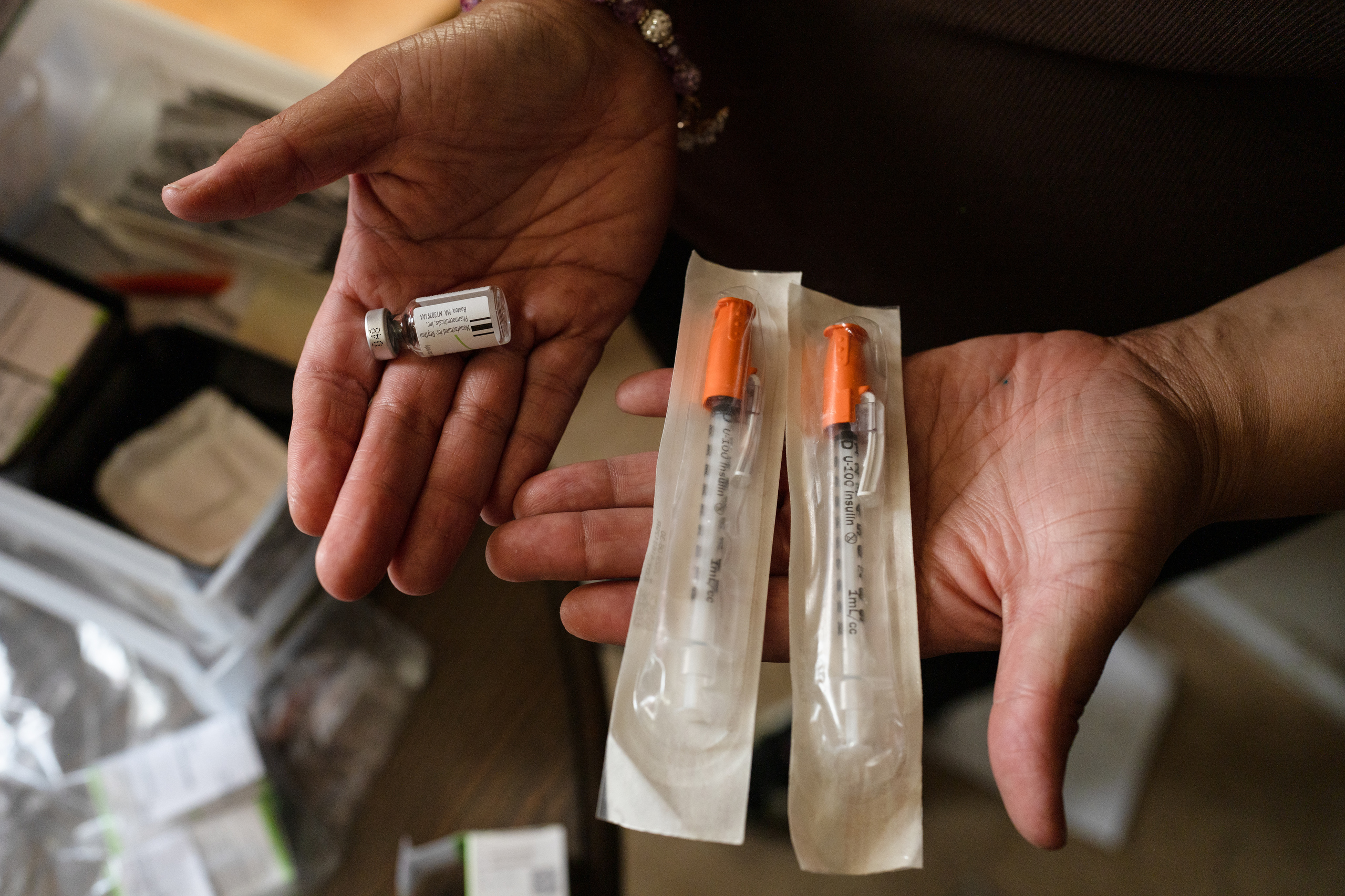
The lack of pediatric endocrinologists in El Paso also affects Freyja’s access to another medication — Imicivree — daily injections to help control her appetite. Jones-Radtke said Imcivree prescriptions now require an endocrinologist's signature, instead of the signature of any doctor. But because of the pediatric endocrinologist shortage in El Paso, it’s difficult to book an appointment with Granados to get the signature, resulting in more time that Freyja has gone without the essential medication.
“We can't get the care she needs, because all the endocrinologists are scared to do their jobs.”
If Freyja doesn’t get her Imcivree in a timely manner, the consequences can be grim. BBS can cause issues with the kidney, which controls ammonia buildup in the body. Without Imcivree, she is at risk of overeating, which can cause ammonia to spike and become “incredibly deadly,” according to Jones-Radtke.
“That has happened to her four times,” Jones-Radtke said. “I didn’t know which way she was going to fall, if I was going to take her home or not.”
With all the other life-threatening challenges her daughter faces, she doesn’t want a medical issue as treatable as premature puberty to complicate their lives further.
Without puberty blockers, Jones-Radtke fears Freyja will start menstruating too early and face psychological challenges of looking more mature than her peers. For now, she has to contend with Freyja’s worsening mood swings.
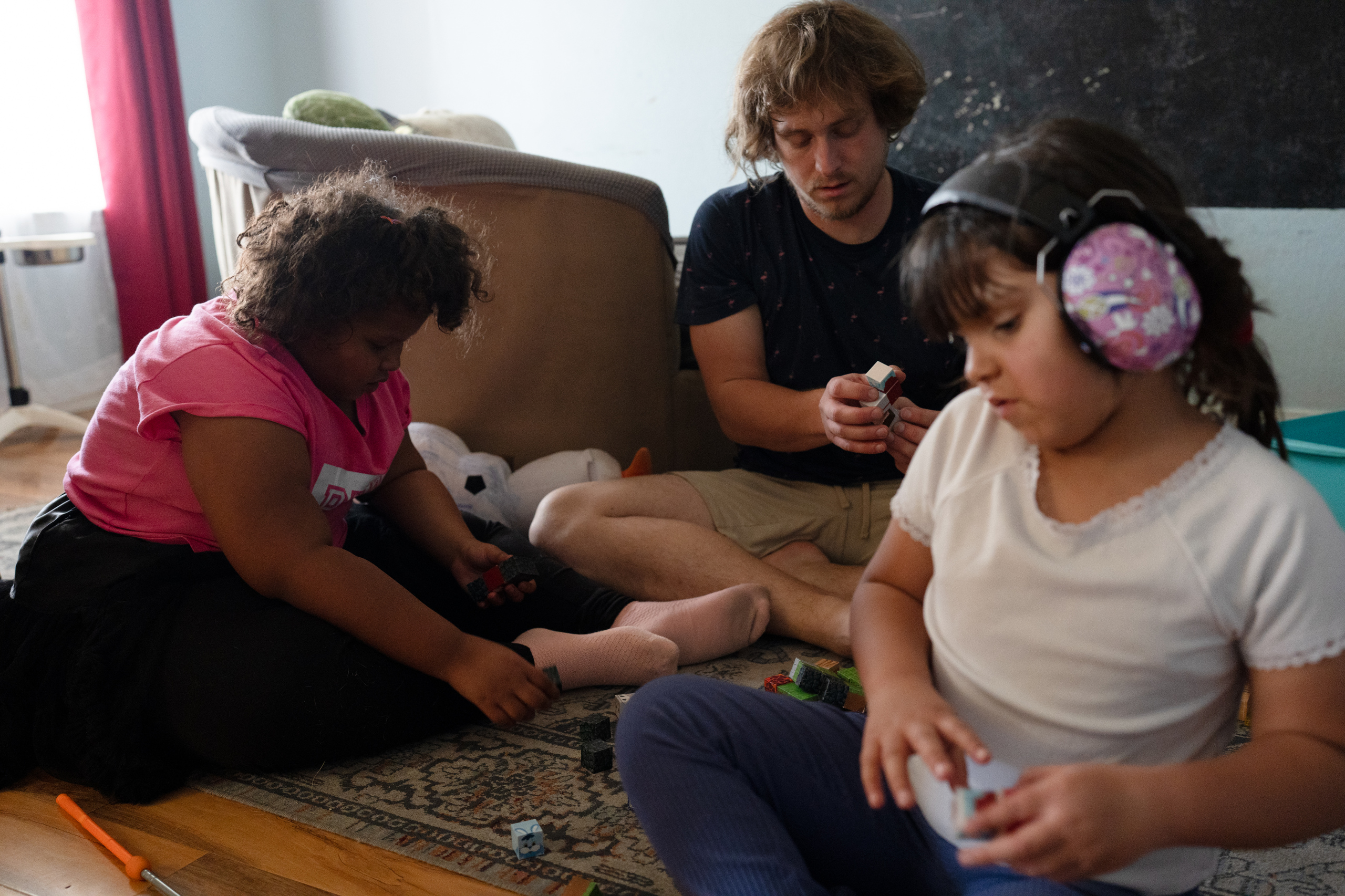
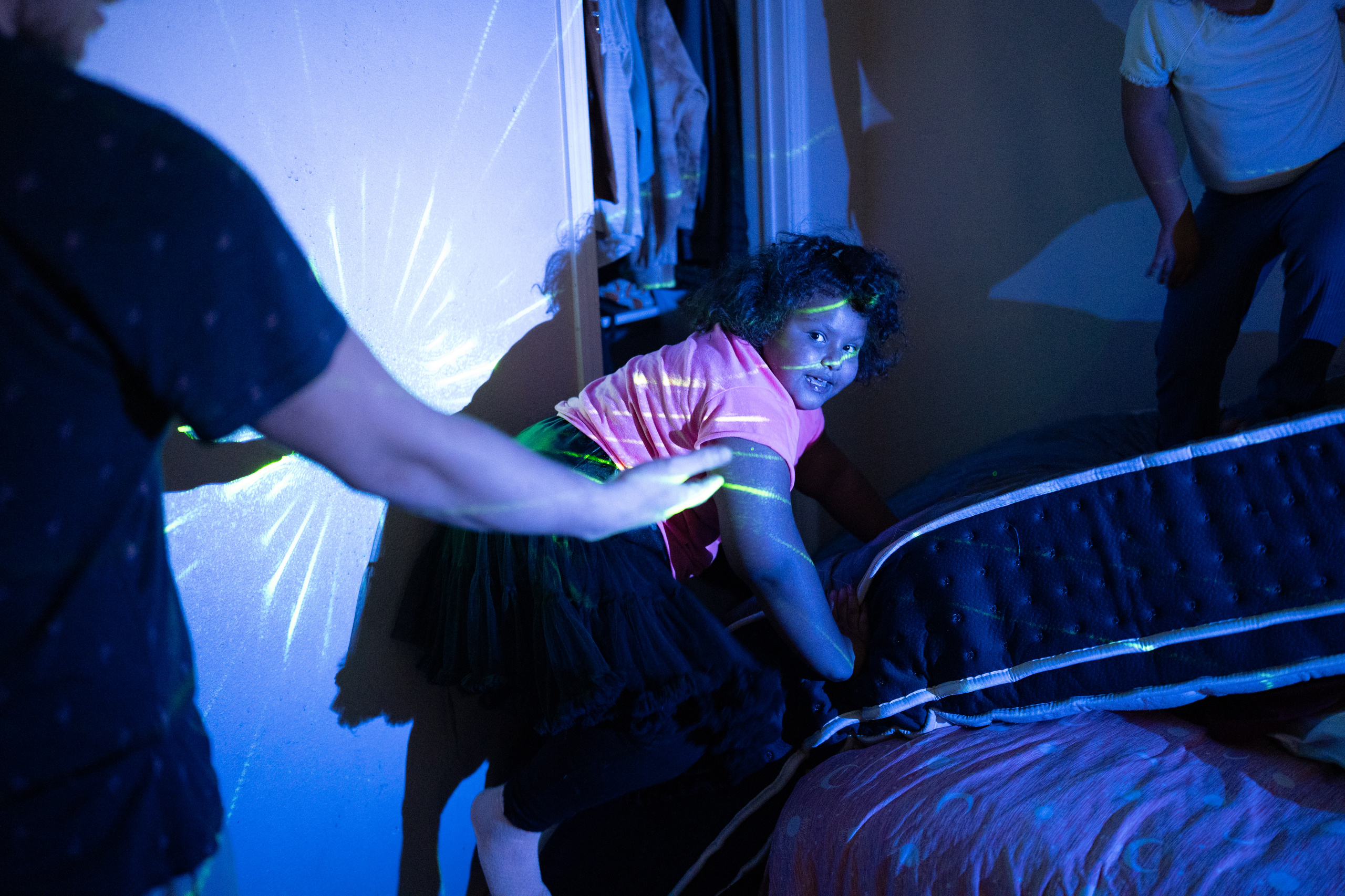
“Little things set her off. She wasn’t like that at five-years-old,” Jones-Radtke said.
As Jones-Radtke follows in the footsteps of other families fed-up with the lack of access to pediatric endocrinology care in El Paso, the choice to move to New Mexico was “pretty simple.” But that doesn’t change how difficult the move will be for the family, both financially and emotionally.
The move is going to cost the family at least $5,000, taking into account typical moving expenses, as well as additional costs to safely transport Freyja’s medical equipment. But those costs pale in comparison to the memories they’ll be leaving behind in El Paso.
“The sense of community here is so strong,” Jones-Radtke said. “Just being able to go down the street, to the construction workers playing the loud Mexican music I grew up with, being able to walk down to the park with my kids… I’m gonna miss it dearly.”
This article first appeared on The Texas Tribune.
More News