Consumer Reports: Arsenic in rice
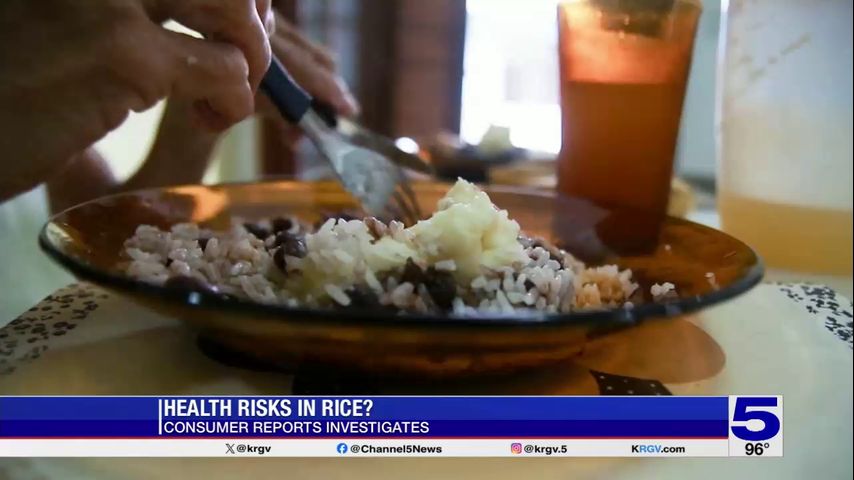
Rice is a staple on dinner tables around the world. But Consumer Reports’ latest food safety investigation found some rice products contain concerning levels of a harmful heavy metal. Here’s what the testing found, and simple ways to reduce exposure before your next meal.
From sushi to stir-fry to simple sides, we eat a lot of rice. But Consumer Reports says rice can carry a risk: inorganic arsenic, a dangerous form of a heavy metal and known carcinogen.
Inorganic arsenic, especially, is associated with some serious health effects. We know that it’s associated with skin cancer, bladder cancer, type two diabetes, and cardiovascular effects.
Consumer Reports bought 52 rice products from store shelves, then sent them to a specialized lab for testing. Measurable levels of arsenic were detected and specifically inorganic arsenic, in every sample of rice tested. The levels vary.
For example, brown rice, in general, has more inorganic arsenic than white rice of the same type. Basmati and sushi rice tend to have less arsenic than other types.
And more than 40 percent of the tested products had enough arsenic that eating just one serving a day, over time, could raise the risk of cancer and type 2 diabetes.
Several brands like Lundberg and Whole Foods told Consumer Reports they test for heavy metals and that their rice meets California’s strict safety limits. Many other companies didn’t respond.
So, what can you do? Consumer Reports says, don’t overeat rice. Use different sides from time to time, including quinoa and oats, which CR found are lower in arsenic. And when choosing rice, consider lower-arsenic varieties like basmati and sushi.
How you cook rice can also help. Consumer Reports says cooking rice in extra water for five minutes, then draining it and finishing it in fresh water, can significantly reduce arsenic levels.
Because no level of arsenic is considered safe, Consumer Reports is asking the Food and Drug Administration to set arsenic limits on all rice products. It asked the agency about its plans, but the FDA did not respond.
More News