Consumer Reports: Keep mice from damaging your car
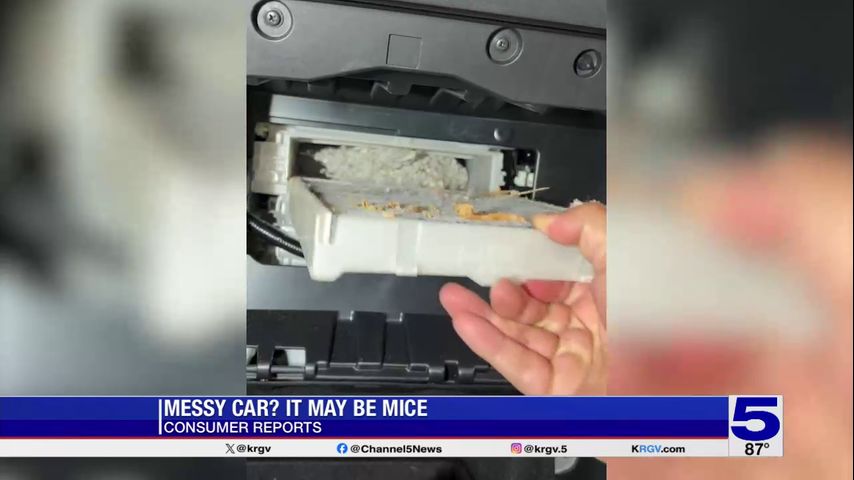
If you’ve noticed a strange smell in your car—or signs of chewing, droppings, or nesting materials—Consumer Reports says mice or other rodents may be making themselves at home inside your vehicle. And beyond the mess, they can cause real damage by chewing through wiring and contaminating the cabin.
Consumer Reports vehicle-maintenance expert Michael Crossen says rodents can leave behind scratches, urine, droppings, and chewed wires, all of which can create both health and safety concerns. Mice often get into vehicles through openings like air vents, where they may build nests in places such as the cabin air, or pollen, filter area. In one case, Crossen says debris on the floor and an unusual smell led CR’s team straight to the filter—where they found a mouse nest.
If you suspect rodents have gotten into your car, Consumer Reports recommends moving the vehicle outside before inspecting and cleaning it. The first step is to clean up and disinfect the affected areas, then identify and repair any damage. Protective gloves, disinfectant spray, and disposable towels can help you handle the mess safely.
One important warning: don’t use a vacuum cleaner to clean rodent droppings or nesting material. Crossen says vacuuming can send contaminated particles into the air, where they may be inhaled and cause respiratory problems. Instead, disinfect the area carefully, wipe it up by hand, and replace the pollen or cabin air filter with a new one if it has been contaminated.
If you find wires with chewed-through insulation, Consumer Reports says your vehicle may not be safe to drive until it’s checked by a mechanic. Damaged wiring can affect critical systems and may lead to costly repairs if ignored.
To help prevent rodents from returning, Consumer Reports suggests a few strategies. Peppermint oil pouches placed inside the vehicle may help deter mice. There’s also a special tape containing capsaicin—the compound that gives chili peppers their heat—that can be wrapped around wiring to discourage chewing. Keeping your car free of food crumbs and other debris also makes it less appealing to pests. And if you park in a garage, sealing the door tightly and setting mouse traps nearby can add another layer of protection.
A little prevention can go a long way in keeping rodents out of your car—and helping you avoid expensive repairs down the road.
More News